

Ever wondered what makes the internet tick? It all starts with IP addresses, the unsung heroes of our online lives. Picture this: every device connected to the internet has a unique “address” much like our home addresses. Without these handy little numbers, we’d be wandering around cyberspace aimlessly. But don’t worry, we’re here to cut through the tech jargon and explain why understanding IP addresses is more critical than ever. So, grab your favorite beverage, and let’s jump into the world of 111.190150.204 and beyond.
Understanding IP Addresses
What Is an IP Address?
An IP address, short for Internet Protocol address, is a unique identifier for a device on a network. Think of it as a digital postman, delivering data packets to their rightful owner. Every time we connect to the internet, our devices use IP addresses to communicate with other devices.
Types of IP Addresses
There are two main types of IP addresses: IPv4 and IPv6. IPv4 addresses, like 111.190.150.204, are a set of four numbers ranging from 0 to 255 and are what most of us encounter daily. But, with the explosion of devices using the internet, the world is gradually shifting to IPv6, which offers an almost limitless pool of addresses. This means more devices can connect without a hitch.
But isn’t it mind-boggling how many addresses we might need? We think about it all the time.
Importance of IP Addresses
How to Identify Your IP Address
Knowing your IP address can come in handy for various reasons – from troubleshooting connectivity issues to setting up a home network. We can easily find our IP addresses using simple commands on our devices. For example, typing ipconfig in the command prompt for Windows or ifconfig for macOS reveals our local IP address, while searching “what is my IP” online shows our public IP address. Handy, right?
This is particularly crucial for remote workers like many of us who need a stable connection to get our jobs done.
Common Tools for IP Lookup

Geolocation and Privacy Concerns
When we talk about locating an IP address, we enter the realm of geolocation. Tools like IP geolocation services can tell us where an IP address resides. But, it’s essential to tread carefully with this information. We rely on our privacy, and understanding our IP address is vital in protecting it.
Using a VPN or changing our IP address can enhance our privacy, ensuring we’re not leaving digital breadcrumbs all over the web. In a world where data is more valuable than gold, staying informed is our best defense.
Managing Your IP Address
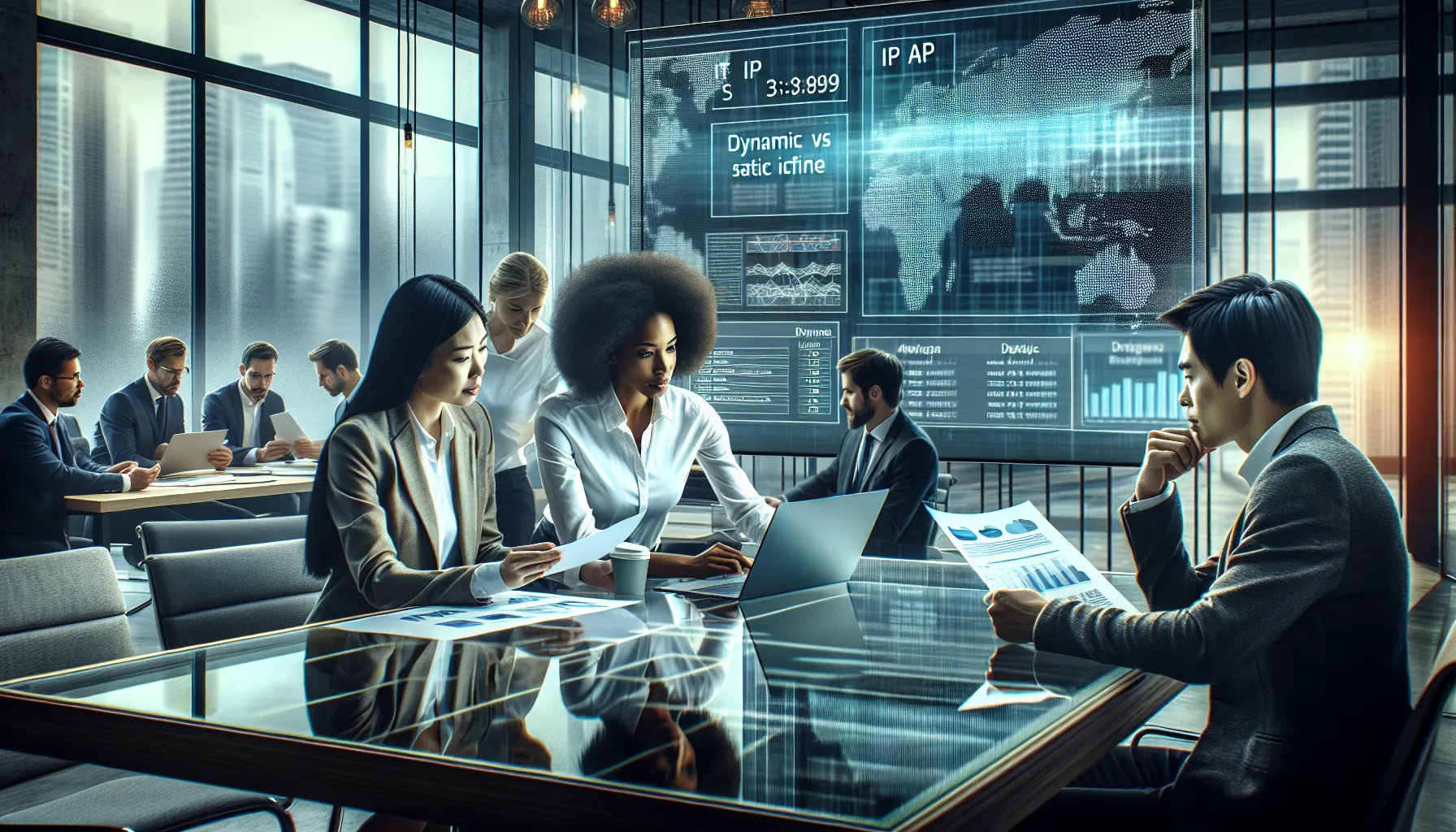
Managing IP addresses is not just for IT professionals. We all can benefit from understanding how our IP address affects our online presence. Dynamic IP addresses change frequently, while static IP addresses remain constant. Knowing which one we have can help us optimize our connectivity and security.
If we happen to run a website or server, having a static IP can be crucial. This ensures there’s a dedicated address that people can use to access our site, making it easier for visitors.

