Table of Contents
ToggleVisual creativity has always developed alongside technology. Digital drawing tablets changed how illustrators work, editing software made complex image manipulation easier, and smartphones allowed people to create and publish visual content almost anywhere.
Generative artificial intelligence is now becoming another important part of that progression.
What makes generative AI different is not simply that it can create images quickly. Its broader value lies in helping people explore ideas, compare different visual directions, and communicate concepts before investing significant time in production.
For artists, designers, marketers, publishers, and other creators, this can make the early stages of creative work more flexible.
Generative AI Is Changing How Creative Ideas Begin
Most visual projects do not start with a finished concept. They begin with rough thoughts, references, written descriptions, sketches, or conversations about what something should look and feel like.
This early stage can sometimes be difficult because an idea that sounds clear in someone's head may be harder to explain to another person. A designer might understand that a project should feel modern and welcoming, but there are many different ways to interpret those words visually.
Generative AI provides another way to explore those interpretations. Instead of developing one detailed concept immediately, creators can examine several rough possibilities first. These early visuals can serve as references that help determine whether the composition, atmosphere, or overall direction fits the intended message.
The goal is not necessarily to produce finished artwork in one step. Often, simply seeing an idea is enough to understand how it could be improved.
Written Ideas Can Become Visual Concepts More Quickly
One of the most noticeable changes introduced by generative AI is the growing connection between written language and visual creation.
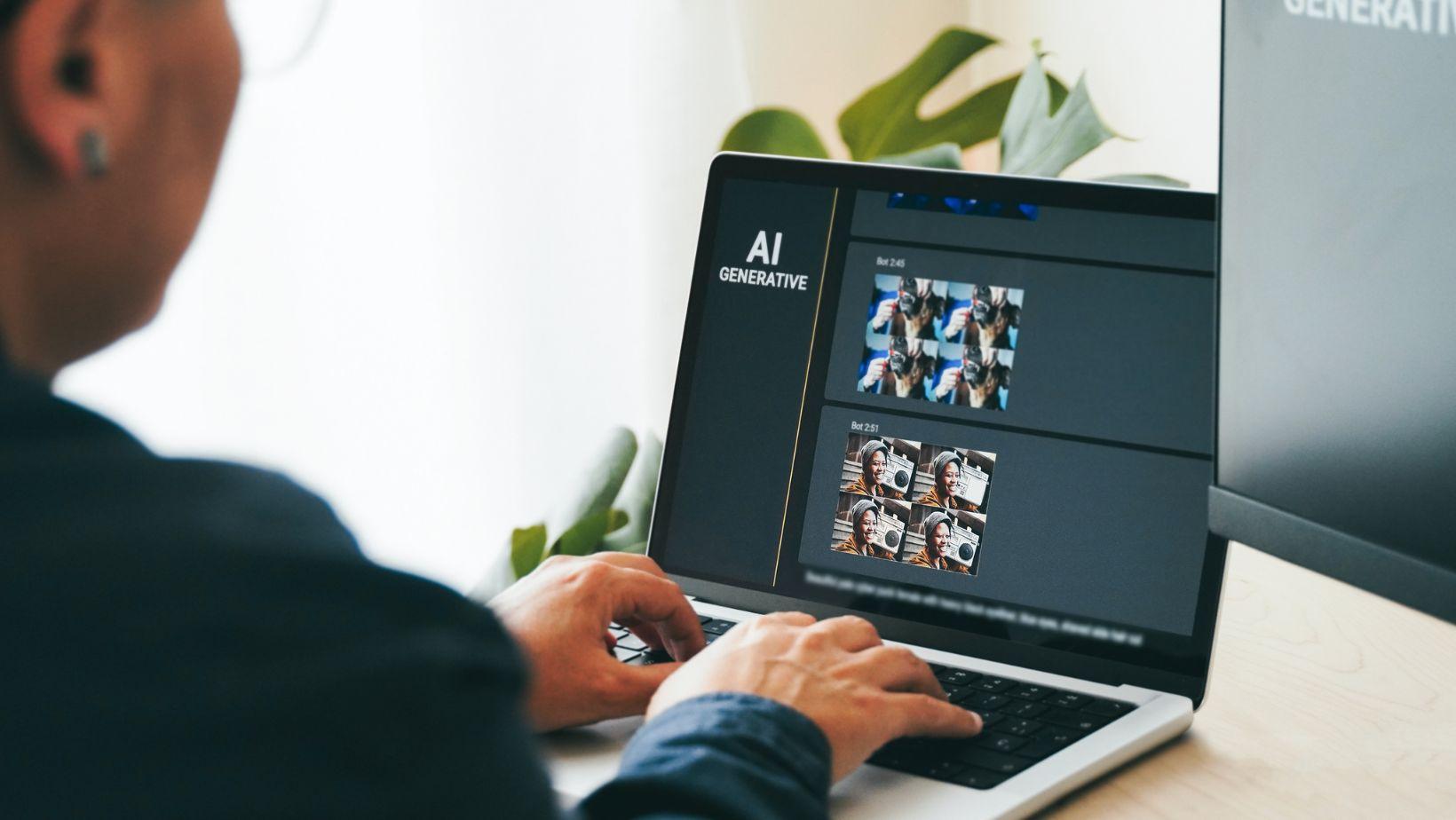
Creators can describe what they want to see using details about the subject, background, lighting, atmosphere, perspective, and other visual elements. An AI art generator can then help turn that written description into an initial image that can be reviewed or developed further.
This can be useful for people who work with visual content but may not have advanced illustration skills. A writer planning an article could explore possible illustration directions, while a marketing team might create early references before discussing a campaign with designers.
The process can also encourage clearer thinking. When creators have to describe exactly what they want, they may notice gaps in the original concept. Decisions about setting, mood, subject placement, or visual emphasis often become clearer once they are put into words.
Faster Experimentation Gives Creators More Options
Creative work usually involves testing ideas, but traditional experimentation can take time. Producing several sketches or mockups may not always be practical when deadlines are tight.
Generative AI changes this by making early experimentation easier. A creator can explore different compositions, lighting conditions, backgrounds, perspectives, and moods without treating every attempt as a major production task.
Not every result needs to be successful, either. An image that looks wrong can still provide useful information. It might reveal that the background is too distracting, the visual style does not fit the audience, or the subject needs to be more prominent.
In that sense, unsuccessful concepts can still move the creative process forward.
Generative AI Is Useful Across Different Creative Fields
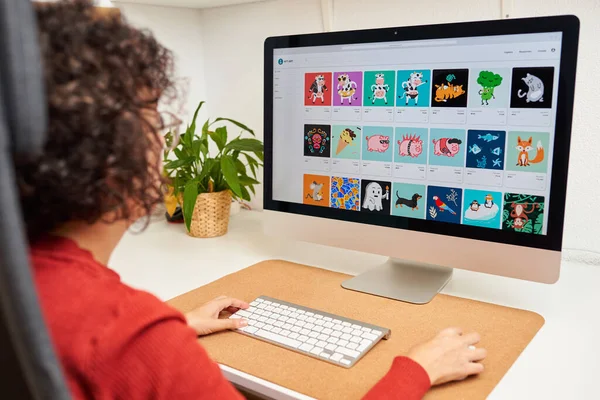
Publishers can explore illustration concepts before commissioning final artwork. Marketing teams can compare campaign directions. Educators may use visual references to explain difficult ideas, while presentation designers can experiment with imagery that supports complex information.
Social media creators can also test different approaches before deciding how a post or campaign should look.
The generated image does not always need to appear in the finished project. In many situations, it acts as a temporary planning tool that helps people understand what they are trying to create.
AI Can Improve Communication Between Creative Teams
Creative collaboration often becomes difficult when people interpret the same words differently.
Terms such as "bold," "clean," "minimal," or "energetic" are subjective. A marketer may imagine one thing while the designer working on the project imagines something completely different.
Visual references can make those conversations more specific.
Instead of asking for a design to feel "more modern," someone can identify the exact background, layout, atmosphere, or composition that needs changing. Having something visible to discuss can reduce misunderstandings and help teams agree on a direction earlier.
Human Judgment Still Determines Whether an Image Works
AI-created visuals may contain inaccurate details, awkward proportions, inconsistent objects, or elements that simply do not fit the context. Even an attractive image may communicate the wrong message.
Creators therefore need to evaluate generated material carefully. Audience, tone, accuracy, brand identity, cultural context, and the purpose of the project all matter.
This becomes especially important when images represent real products, people, locations, historical subjects, or technical information. A convincing-looking image should not automatically be treated as an accurate one.
Generative AI Works Best as Part of a Wider Creative Workflow
AI does not need to replace photography, illustration, typography, editing, or traditional design methods.
A designer might use generated imagery during brainstorming and then rebuild the chosen concept manually. A marketing team could create visual references before arranging a professional photo shoot. An illustrator might experiment with several compositions before producing an original final piece.
Conclusion
Generative AI is expanding visual creativity by making it easier to explore ideas, compare possibilities, and communicate concepts before detailed production begins.
Its real strength is not simply producing more images in less time. It is giving creators more opportunities to experiment and refine their thinking.
As these tools become more common, strong creative work will still depend on human decisions about context, quality, relevance, and purpose. AI can provide possibilities, but people remain responsible for deciding which possibilities are worth developing.